
BUYING GUIDE
Electric Utes in New Zealand
An electric ute makes sense when your daily running is predictable and you can charge at base. The questions that matter are towing capacity, real range with a load, and whether it will handle the terrain you actually work on.
AVAILABLE NOW
The Riddara RD6
Also searched as Radar RD6 — in New Zealand it is sold as Riddara.
From $69,990+ORC
WLTP range
360
km
Max power
315
kW
Braked towing
3,000
kg
0–100 km/h
4.5
s
• 815 mm wading depth
• 4WD with seven drive modes: Sand, Mud, Off-road, Wading, Economy, Comfort, Sport
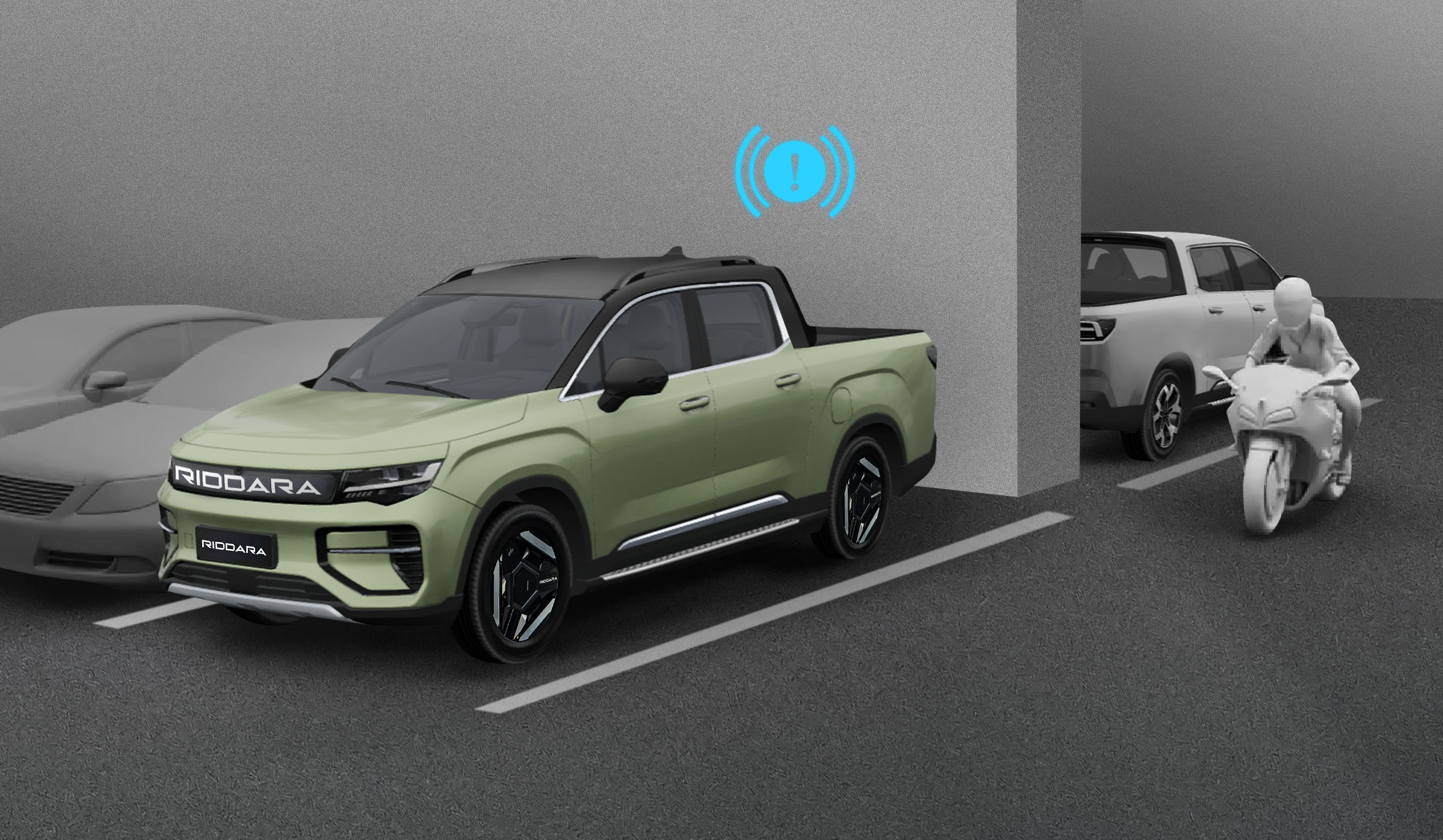
• 540° surround camera with transparent underbody view
• Six airbags and a body of 70% high-strength steel
• AEB, FCW, LDW and LKA active safety

CHECKLIST
What to Check Before Buying an Electric Ute
Six questions worth answering before you commit.
- Braked towing capacity against what you actually tow — not what you might tow one day.
- How range changes under load: towing, roof racks and heavy trays all reduce it.
- Where you'll charge — ideally at base overnight for the lowest cost per kilometre.
- Wading depth and drive modes for your terrain, particularly on rural or off-road work.
- Payload and tray dimensions for the tools and materials of your daily work.
- The battery warranty term — for a working ute this matters more than for a family car.
STRAIGHT TALK
Honest About Range Under Load
Towing and heavy loads reduce range on any vehicle, electric or not. The Riddara RD6's 360 km WLTP figure is an unladen standardised measurement — what you actually see on a working day depends on load, terrain, weather and driving style. We'd rather you book a test drive with a realistic load than take a marketing number on trust.
Electric Ute Questions
Yes. The Riddara RD6 Pro is an all-electric 4WD ute available now from $69,990+ORC.
The Riddara RD6 Pro tows up to 3,000 kg braked.
The Riddara RD6 Pro travels up to 360 km on the WLTP cycle. Towing and heavy loads reduce range.
The Riddara RD6 Pro starts at $69,990+ORC. On-road costs are additional.
The Riddara RD6 Pro is a 4WD with seven drive modes including Sand, Mud, Off-road and Wading, and a wading depth of 815 mm.