
COST OF OWNERSHIP
What Does It Cost to Run an EV in New Zealand?
Running costs depend on your power plan, how much you drive, and whether you can charge at home. Here is how to work out your own numbers, and the vehicle figures you'll need.
THE FRAMEWORK
The Four Costs That Matter
Anyone selling you a single "annual saving" number is guessing. Here are the four numbers that actually determine what a vehicle costs to run.
Electricity or Fuel
For an EV, the per-kWh price on your power plan and where you charge — home overnight is cheapest, public DC fast chargers cost more. For a petrol car, the pump price and the litres per 100 km.
Road User Charges
Set by the New Zealand government and payable per 1,000 km on electric vehicles. Rates change, so check the current figure with NZ Transport Agency Waka Kotahi before you budget.
Servicing and Maintenance
Electric vehicles have fewer moving parts and no oil changes. Ask your Geely dealership for the service schedule and pricing for the exact model you're considering.
Depreciation and Insurance
Determined by the specific vehicle, its resale demand and your insurer. Get a quote from your insurer for the model you're considering, and factor in warranty length as a proxy for holding-cost confidence.
WORK IT OUT YOURSELF
How to Calculate Your Energy Cost
Five steps using your own power bill and the vehicle figures below.
- Find your per-kWh rate on your power bill — use your night or EV rate if you have one, since that is when most home charging happens.
- Note the vehicle's usable battery size, in kilowatt-hours.
- Multiply the rate by the battery size to get the cost of a full charge.
- Divide by the vehicle's WLTP range to get a cost per kilometre.
- Multiply by your annual distance for an annual figure.
Vehicle Inputs
Geely EX5
Up to 450 km WLTP range. Fully electric — all your energy comes from the plug.
Starray EM-i
18.4 kWh LFP battery. 83 km pure EV range. 2.4 L/100km combined once petrol is in play.
Riddara RD6
Up to 360 km WLTP range. Towing and heavy loads reduce it.
Real-world consumption varies with speed, load, terrain and weather — treat WLTP as a comparison benchmark rather than a promise.
WHERE THE SAVING COMES FROM
Where Home Charging Changes the Maths
Most of the saving on an EV comes from charging overnight at home on a night or EV rate. Public DC fast chargers are useful for long trips but cost several times as much per kWh, so the mix of home vs public charging matters as much as the vehicle itself.
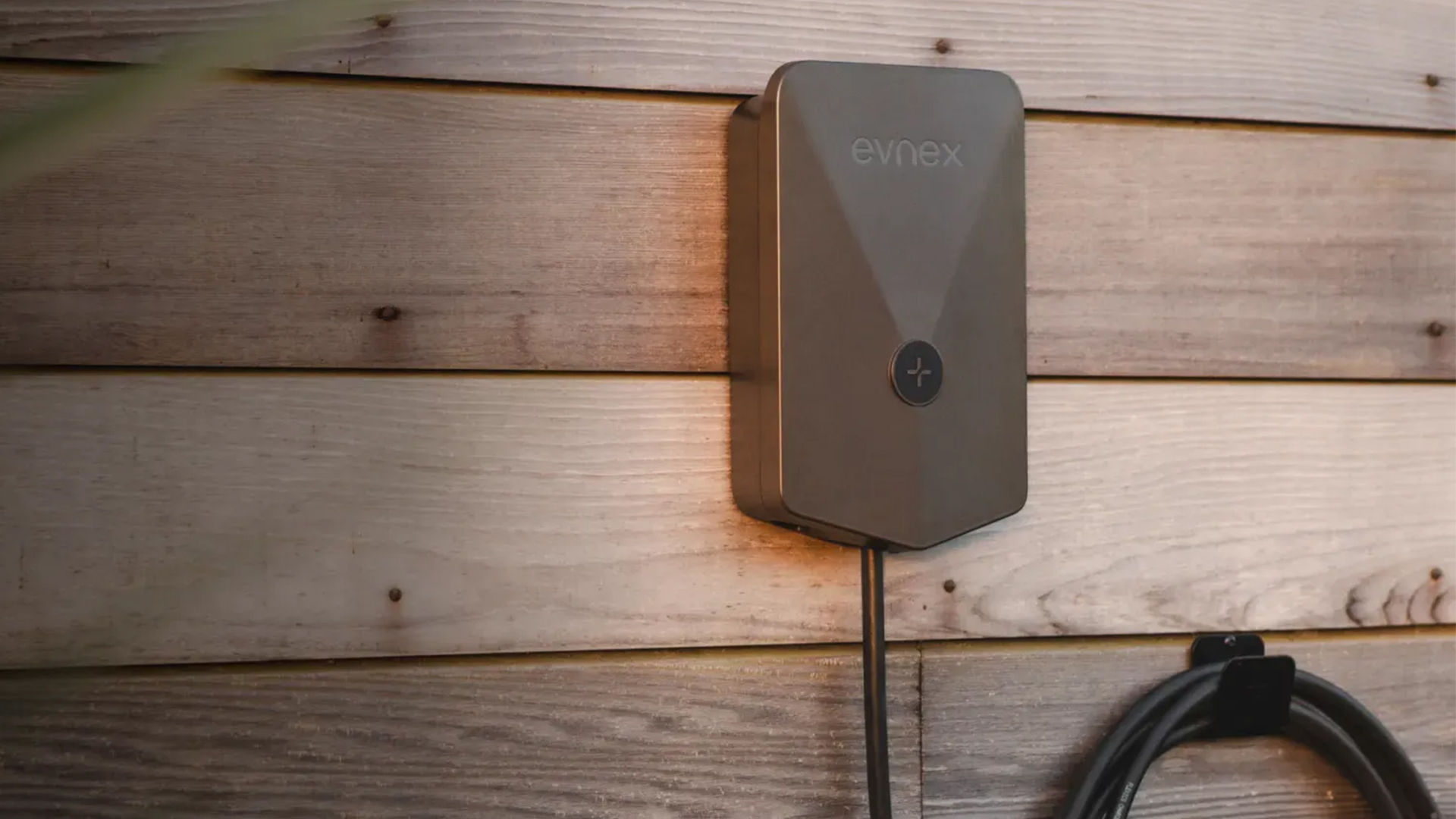
Until 30 September 2026, Geely includes 3 years of home charging plus an Evnex E2 Flex home charger with an EX5, Starray EM-i or Riddara RD6. Installation is additional and arranged separately.
Fully Electric or Super Hybrid?
The cheapest-per-kilometre answer depends on where you charge and how far you drive.
Fully Electric Wins on Home Charging
A fully electric car is usually cheapest per kilometre when you can charge overnight at home. All your energy comes from the plug at a domestic rate.
Super Hybrid Wins on Long Trips
A Super Hybrid trades some of the per-kilometre saving for not having to plan long trips around chargers. The 83 km of pure EV range covers most daily driving; the petrol engine handles the rest.
COST CERTAINTY
What Geely Covers
Geely Care+ is designed to keep running costs predictable across the years you own the car.
Vehicle warranty
7
years
Unlimited kilometres. Transferable to later owners.
Battery warranty
8
years
Unlimited kilometres on the high-voltage battery for private owners.
Roadside assistance
7
years
3 years standard, extendable yearly with servicing at a Geely dealership up to 7 years.
EV Running Cost Questions
Usually, if you can charge at home on a night or EV rate. Your saving depends on your power price, your annual distance and road user charges, so work it out with your own power bill rather than a generic figure.
Yes. Electric vehicles are subject to road user charges. Check the current rate with NZ Transport Agency Waka Kotahi, as it is set by government and changes.
Take the per-kWh rate from your power bill, multiply by the vehicle's usable battery size to get the cost of a full charge, then divide by the vehicle's range to get a cost per kilometre.
It is still efficient — the Starray EM-i uses 2.4 L/100km combined — but you lose the 83 km of pure electric running, which is where the largest saving comes from. Plugging in overnight is what makes the difference.
Electric vehicles have fewer moving parts and no oil changes, so servicing is typically simpler. Ask your Geely dealership for a service schedule and pricing for the model you are considering.